

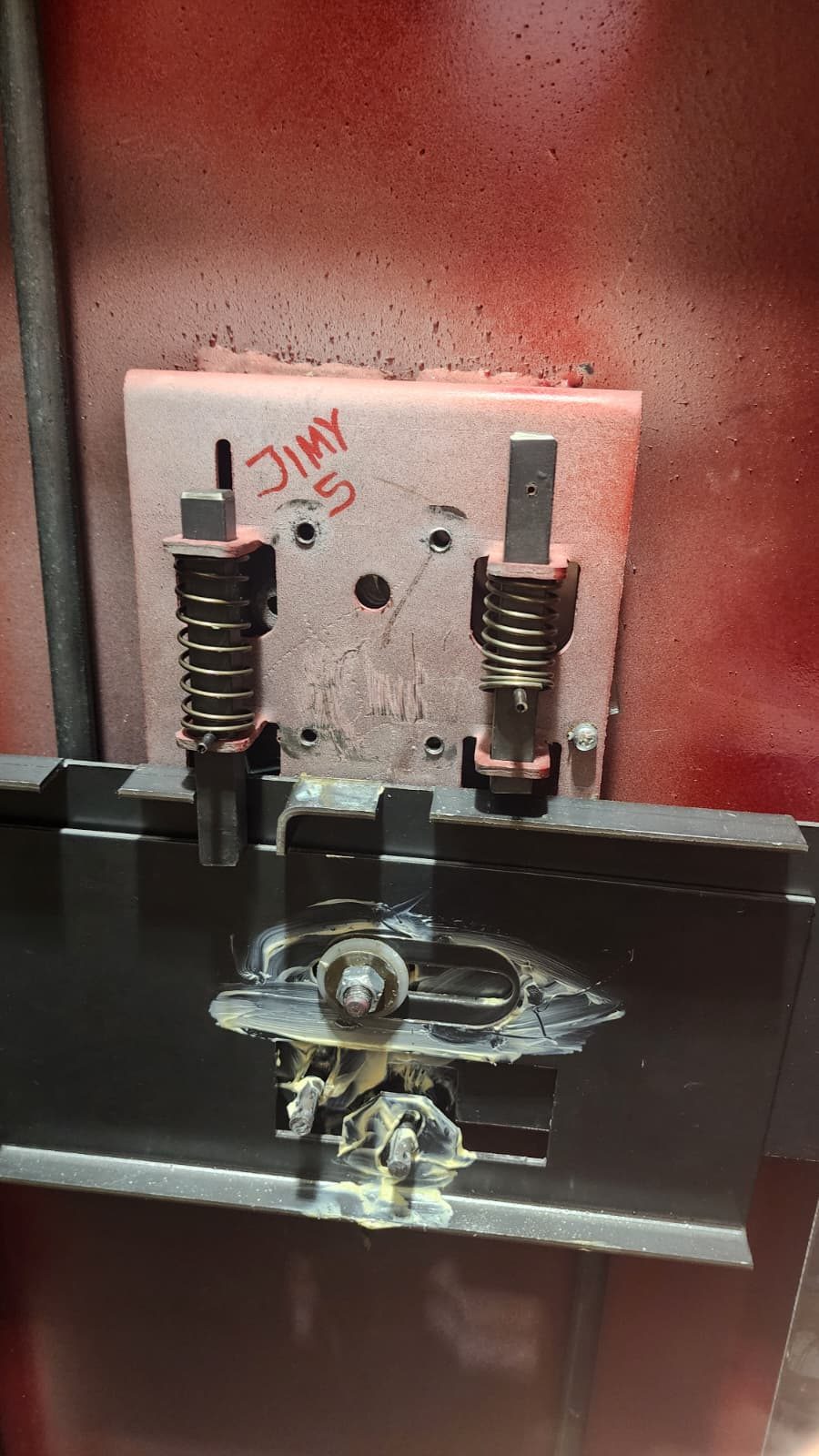
What is safe drilling?
Safe drilling is the controlled drilling of a small hole into a safe at a precisely-known location — the manufacturer\'s engineered weak point — to enable visual or mechanical access to the lock\'s internal mechanism. Once visible, the lock is opened. The hole is then plugged, the surface refinished, and (when applicable) the safe\'s rating restored.
When we drill — and when we don\'t
We drill only when:
- Non-destructive methods (manipulation, scoping, autodialer, dial reading) have failed.
- The customer has provided written authorization for drilling.
- Ownership of the safe has been verified (ID + address documentation, or court documentation for probate).
- The safe is in a state where drilling is the appropriate next step (not, for example, a bumped-but-recoverable Group-2 dial).
We do not drill safes whose ownership we cannot verify, safes where non-destructive methods haven\'t been attempted, or safes the owner has not approved drilling for.
The engineered weak point
Every safe has a designed location where drilling is the safest, fastest, least-damaging option for an authorized technician. Manufacturers maintain detailed schematics for licensed locksmiths showing exactly where these points are. We work from these schematics — we do not "guess and drill."
What drilling damages — and what it doesn\'t
A correctly-placed drill hole (typically 1/4" to 3/8" diameter) does not:
- Compromise the safe\'s structural integrity
- Permanently disable the lock
- Render the safe useless
It does:
- Require plugging and surface refinishing (we do this, included in the job)
- Require lock service or replacement (often, depending on access path)
- Potentially affect UL fire or burglary rating until properly restored
What about relocker engagement?
Many higher-security safes include a relocker — a secondary lock that triggers if the primary lock is attacked or drilled at the wrong location. Improper drilling can engage a relocker, turning a 1-hour job into a 6-hour job. This is why we drill from manufacturer schematics rather than guessing.
How long does drilling take?
Most residential drill openings: 60–120 minutes from drill start to safe open. High-security TL-rated safes: 2–4 hours. Vault doors: 4–8 hours. We quote on inspection.
Cost
Drilling is typically $200–$500 above the standard service call, depending on the safe\'s complexity. Repair after drilling (plug, refinish, lock service) is quoted separately before the work, in writing.
Why owner authorization matters
A drilled safe is permanently altered. Even when professionally repaired, the original UL rating may be affected, and the safe\'s resale value may decrease. We require written authorization so the owner has actively chosen this trade-off — and we offer to attempt non-destructive methods first whenever the situation allows.